Starting a new life in a different city (RSA vs CH student edition)
There have been two major moments in my life where I’ve had to pack up everything I owned and move to a different city. The first was when I was 18 - still buzzing from passing “matric” (or grade 12 for non-South African readers), convinced life was about to start, and thrilled to be accepted into the University of Pretoria (UP). The second was last year, almost a full decade later, when I had opened an email that told me I’d been accepted into the University of Basel (UniBas).
That first move was simple enough: pack my bags and leave my hometown, the sunny and coastal Durban, for Pretoria - the city of purple jacaranda tunnels and blistering summer afternoons. Just a six-hour drive away. The second move… well, that required ditching the “long drive” for a 16-hour flight across continents to Basel, a quaint and cosy city where summer nights stretch forever with music drifting along the Rhine, and where winter hits you with a level of cold that feels slightly personal.
Both moves came with the same cocktail of nervous excitement: the promise of a fresh start, the hope of meeting new people and the fantasy of “reinventing myself” (usually in the form of deciding to go by my second name - spoiler: I never remember to actually introduce myself as ‘Sithandiwe’). Both times I was always shocked to discover just how cold another city’s winter can be. Growing up in Durban, Pretoria’s rare negative-degree mornings felt dramatic. But now, even Pretoria feels warm in comparison 😂.
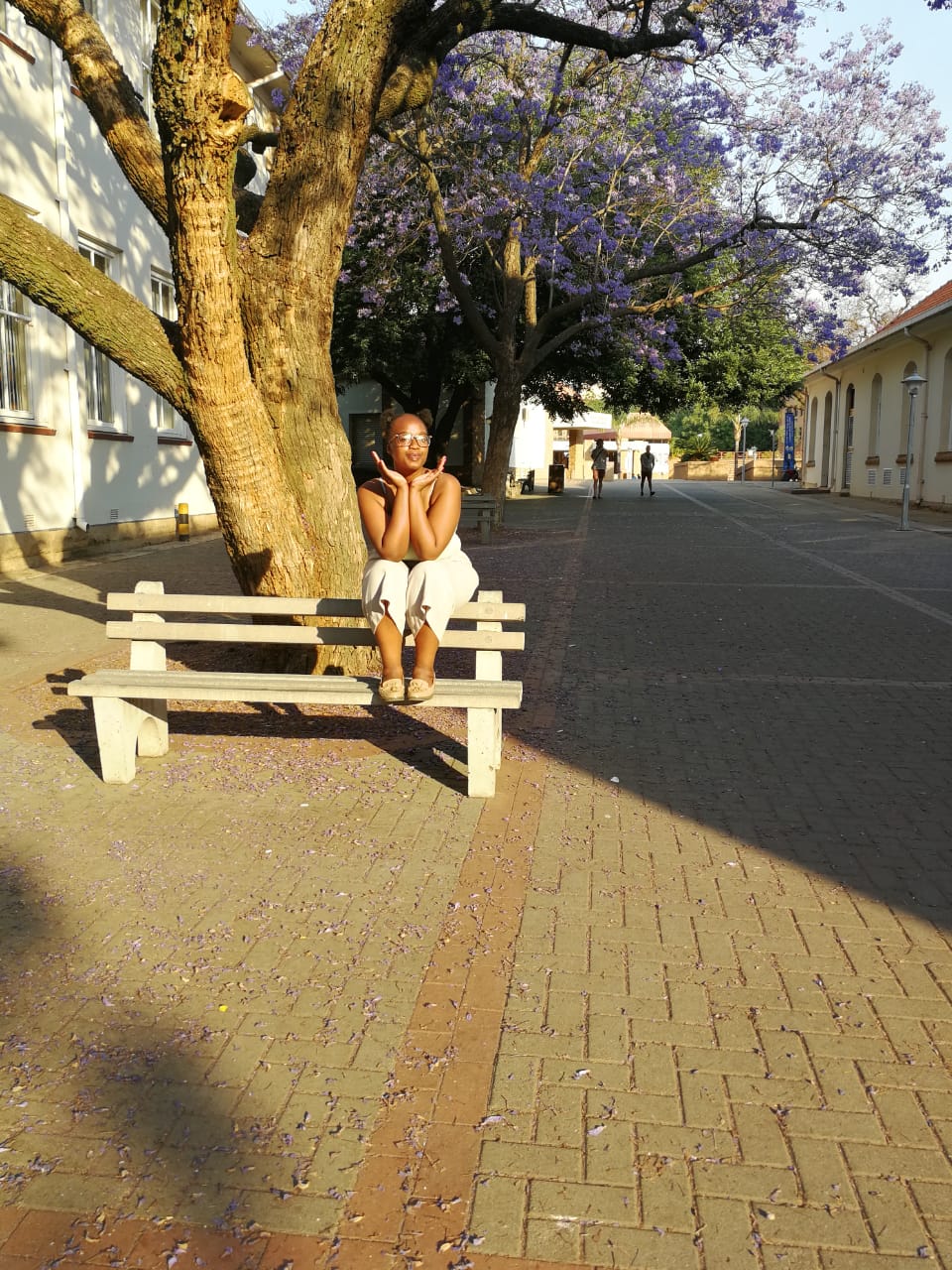
Jacaranda season at the UP main campus
Even though the feelings were the same, the experiences themselves couldn’t be more different.
One of the first things that surprised me was how undergraduate degrees are structured. In Switzerland, it’s completely normal to complete a Bachelor thesis as part of your degree. In South Africa, that’s usually reserved for your Honours degree – a one-year degree that falls in between the bachelor’s and master’s degree programmes. Most bachelor programmes back home focus heavily on coursework, with a few practical lab components. Only students who choose to continue with an Honours dive deeper into a research project and written dissertation. Part of this probably comes down to scale and funding. South Africa has about 26 public universities, with most students preferring to attend university rather than technical colleges, meaning that many universities take in more students than their infrastructure can comfortably handle. And so, to be able to accommodate as many students as possible, intensive lab work seems to be reserved only for those who want to continue with postgraduate studies.
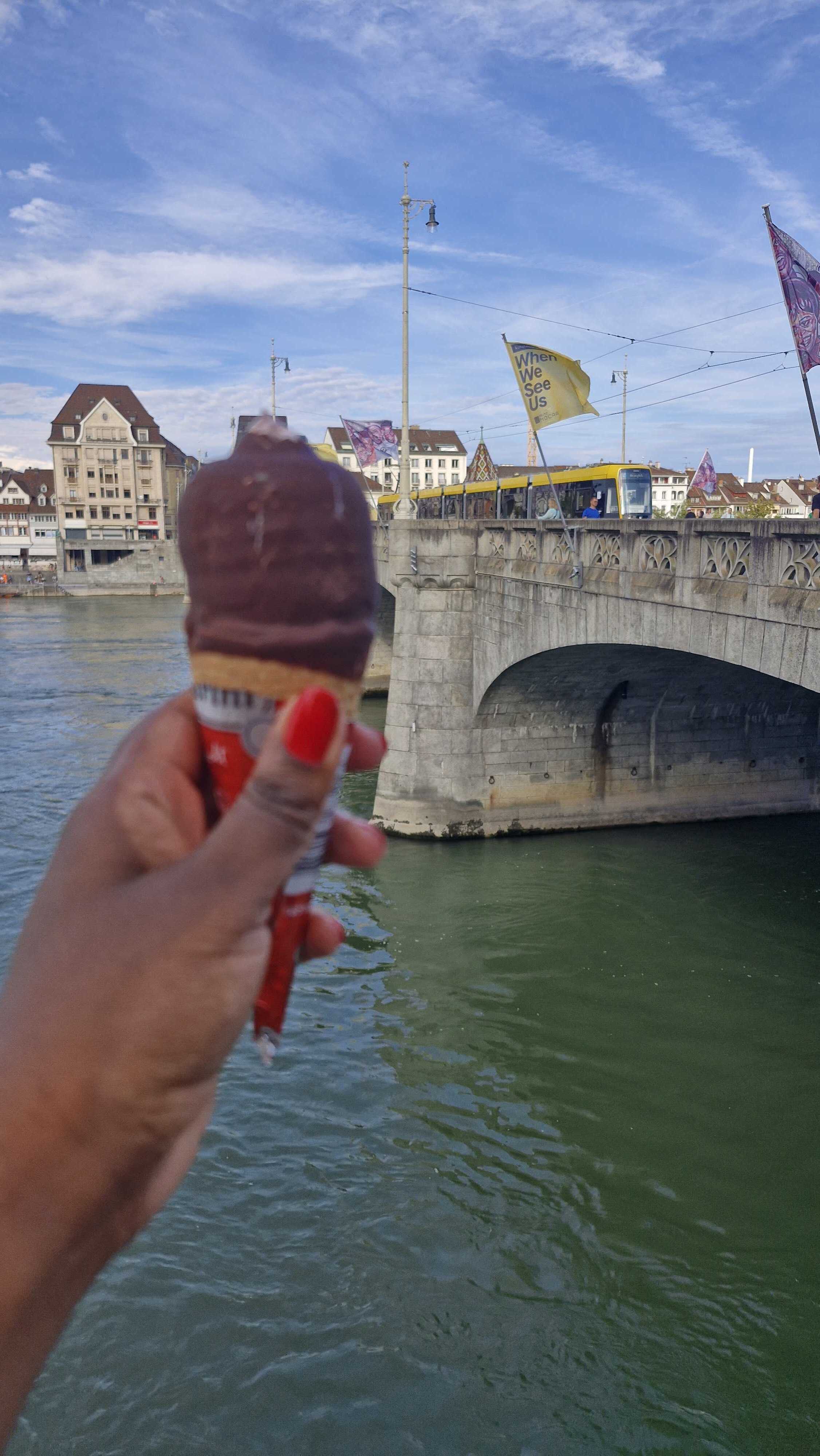
The first of many ice creams by the Rhine
Still, I really like the Swiss model. Including more lab-focused block courses directly in the bachelor’s degree prepares students with hands-on experience and real, employable skills without needing an extra year. And if you do want to continue into a Master’s or PhD, or practice some form of medical science care, you’d need Honours anyway. But for anyone heading straight into the workforce, this integrated approach feels genuinely beneficial.
One thing I really miss, though, is the strong sense of student culture we had at UP. That campus energy was something special. There were multiple student residence (res) buildings across campus which housed students from each corner of the country, as well as some from other parts of the world. We had res competitions for everything - singing, dancing, wine societies, sports, arts and culture. Each res had its own identity and spirit. We spent weeks building floats for the annual Reach-Out-And-Give (RAG) festival and then paraded them through the sports campus to raise funds for charity. Or we’d meet at the Piazza after class because the student reps had organised an impromptu concert with some famous DJ. It was chaotic, fun, loud, and full of life - the kind of student culture I think everyone should get to experience at least once.
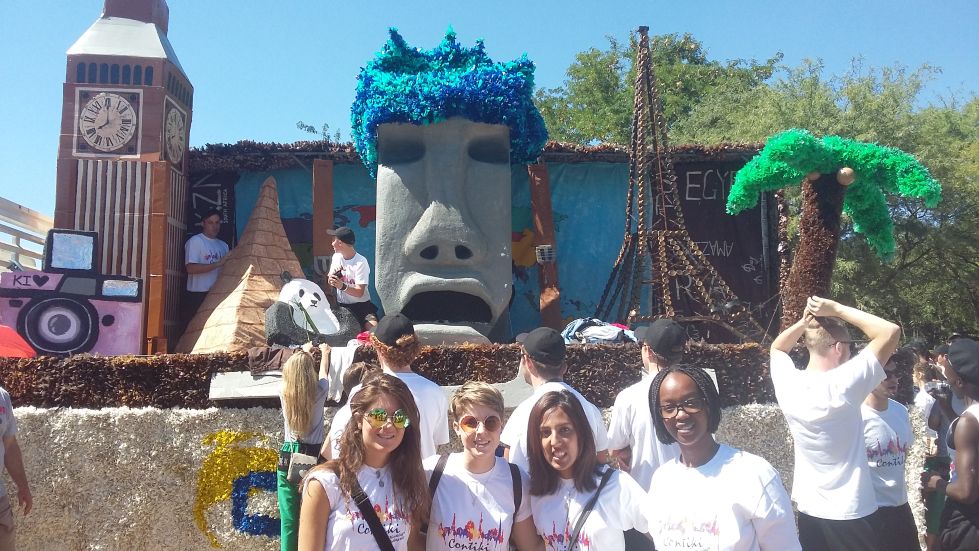
My friends and I infront of our Res RAG float
UniBas is completely different, it’s spread across the city. The departments are tucked in between cafés, historic buildings, and tram lines. It’s great for learning the streets and integrating into the rhythm of Basel, but you definitely lose that feeling of a central student hub. You can build community here; it just requires more intention and effort.
Where Switzerland truly shines for me is academic support. My university, supervisors (although I must say this is always person-dependent), and graduate school offer a level of structured support that I hadn’t experienced before. Including more mentorship programmes, student conferences, and retreats. In fact, I’m writing this blog post from a writing retreat where my only job is to work on my manuscript. That kind of dedicated time is priceless.
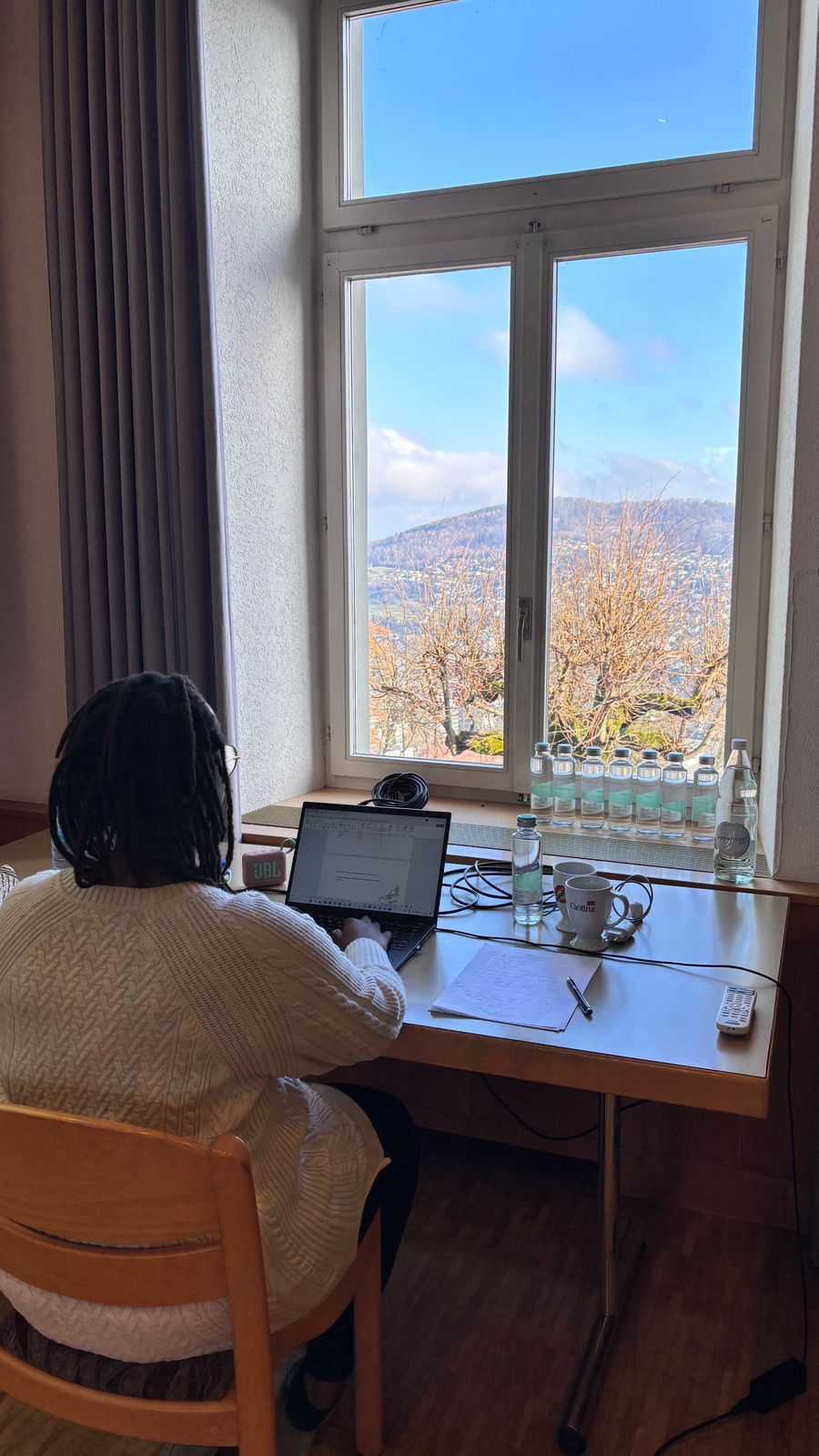
Definitely writing and not just posing for a picture 🤓
The coursework expectations also differ. In Basel, more specifically in my department at SwissTPH, I need 18 credits worth of courses in addition to the PhD dissertation. In South Africa this is often optional, with more emphasis being put on the publications and dissertation. Even during my Master’s at Wits University, my focus was just the dissertation - not so much coursework or conferences, and certainly not as many scientific meetings throughout the year. To be fair, my setup at Wits was a bit different since my project wasn’t based on main campus, so my experience might not be typical. Still, the difference in support is hard to ignore, and I think a lot of it comes down to funding - Swiss Universities just have more resources to pour into student development.
Another thing I’ve noticed is that academics in Basel come across as more relaxed - even in the way they dress. They seem more open to interacting with students outside of just work. For example, attending team building activities like hiking or escape rooms. Although I’m not sure if this is just my supervisors. Back home, some academics take themselves (and their titles!) very seriously. Some even get offended if you call them by their first name and not “Doctor So-and-So”. Not everyone is like that, but the contrast is real. People here seem much more approachable (it’s wild that the director of my institute shares the same open office space with students and other colleagues!). But South Africans still win the cup in overall warmth and openness.
Despite all the differences, there are grounding similarities too. No matter the country, you meet fascinating people from all walks of life. You learn from experts doing impactful work. And, at the end of the day, your success still depends largely on you. Looking back, South Africa taught me resilience and community. Switzerland is teaching me balance and support. Somewhere between these two worlds, I’m becoming the scientist I always hoped I’d be.
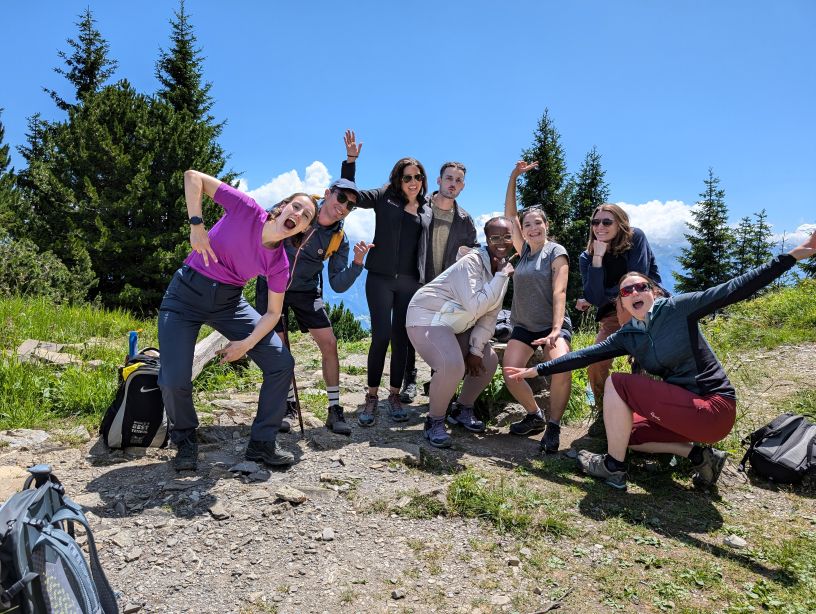
Conquering Swiss mountains with the EVE and VIM lab members
Nosihle Msomi
PhD student